Chronic oxytocin administration stimulates the oxytocinergic system in children with autism
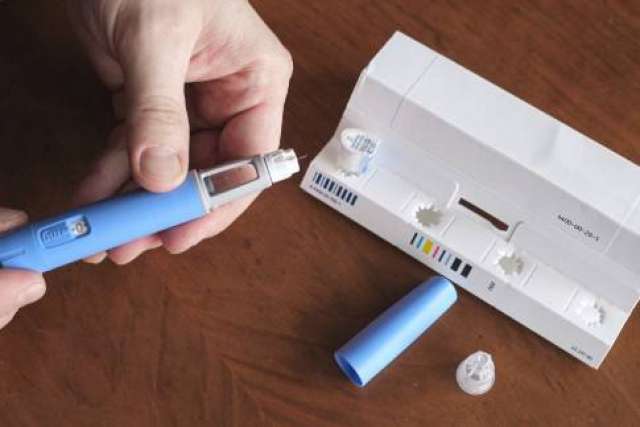
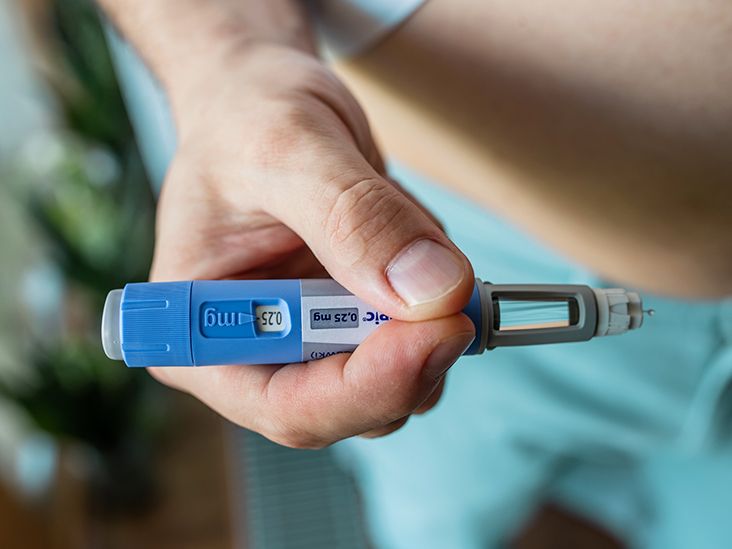
Keeping medication organized and out of reach of children or pets, using clean injection supplies when applicable, and disposing of sharps properly helps protect the patient and the household
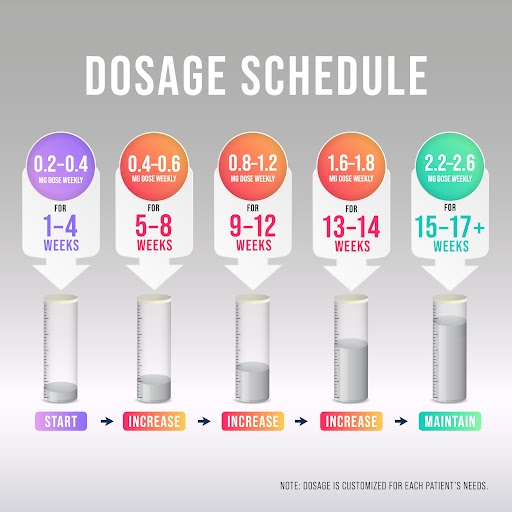
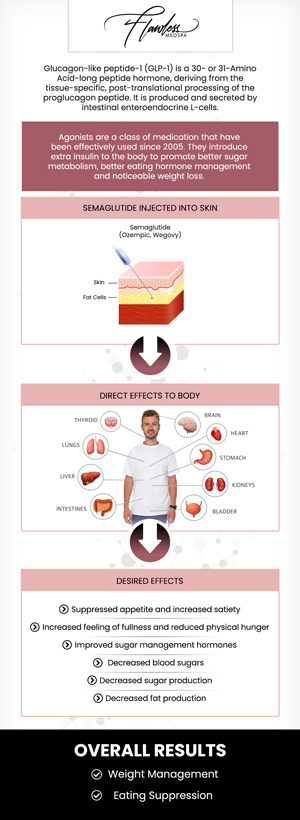
Patient Assessment Protocol Comprehensive medical history with obesity-specific screening Physical examination including BMI, waist circumference, and body composition analysis Laboratory workup: complete metabolic panel, lipid panel, HbA1c, thyroid function, insulin levels Screening for sleep apnea, PCOS, Cushing syndrome, and other secondary causes of obesity Mental health screening for binge eating disorder and depression Readiness-to-change assessment Medication Formulary for Your Medical Weight Loss Program GLP-1 receptor agonists: Semaglutide (Wegovy), liraglutide (Saxenda), tirzepatide (Zepbound) Sympathomimetic agents: Phentermine (short-term), phentermine/topiramate (Qsymia) Other FDA-approved options: Naltrexone/bupropion (Contrave), orlistat (Xenical/Alli) Off-label considerations: Metformin, topiramate, bupropion (when clinically appropriate and properly documented) Your medical weight loss program's protocols should specify prescribing criteria, dosing escalation schedules, monitoring requirements, and discontinuation criteria for each medication
Supports cardiovascular and neurological health by protecting these vital organs against free radicals