If GLP-1 medications caused C-cell stimulation in humans like they do in rats, calcitonin levels would rise during treatment
Multiple cardiovascular outcome trials (ELIXAlixisenatide, LEADERliraglutide, SUSTAIN-6semaglutide, EXSCELexenatide, Harmony Outcomesalbiglutide, REWINDdulaglutide, and PIONEER-6oral semaglutide) have reported, to a greater or lesser extent, improvements in cardiovascular outcomes, with a systematic review and meta-analysis of these trials involving a combined total of 56,004 participants showing that these drugs as a class reduced major adverse cardiovascular events by 12%, death from cardiovascular causes by 12%, fatal or nonfatal stroke by 16%, and fatal or nonfatal myocardial infarction by 9%
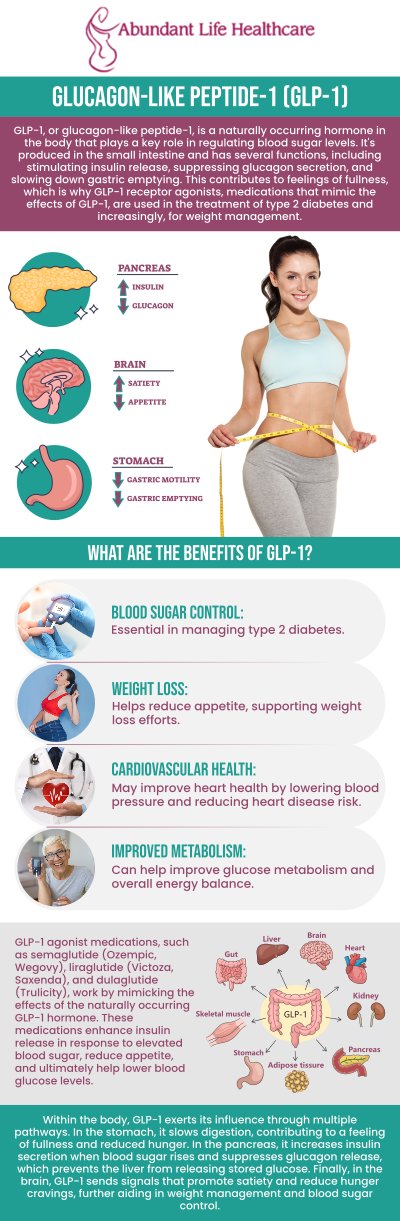
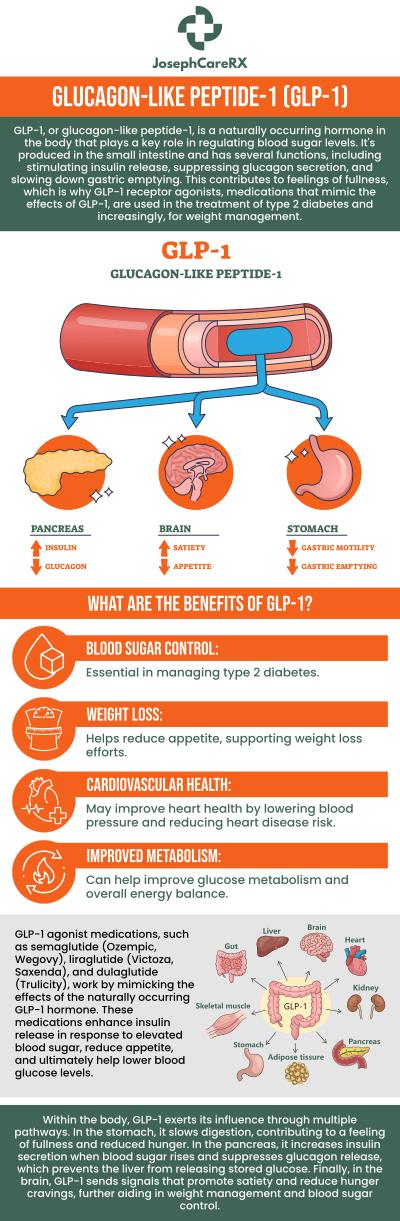
The biology is complex, and that GLP-1 receptor in the body is not only controlling one thing or doing one thing, but has an intricate web of various effects. This article is exclusive to STAT+ subscribers Unlock this article plus in-depth analysis, newsletters, premium events, and news alerts
Ive never seen that from a clinic before, and it felt intrusive